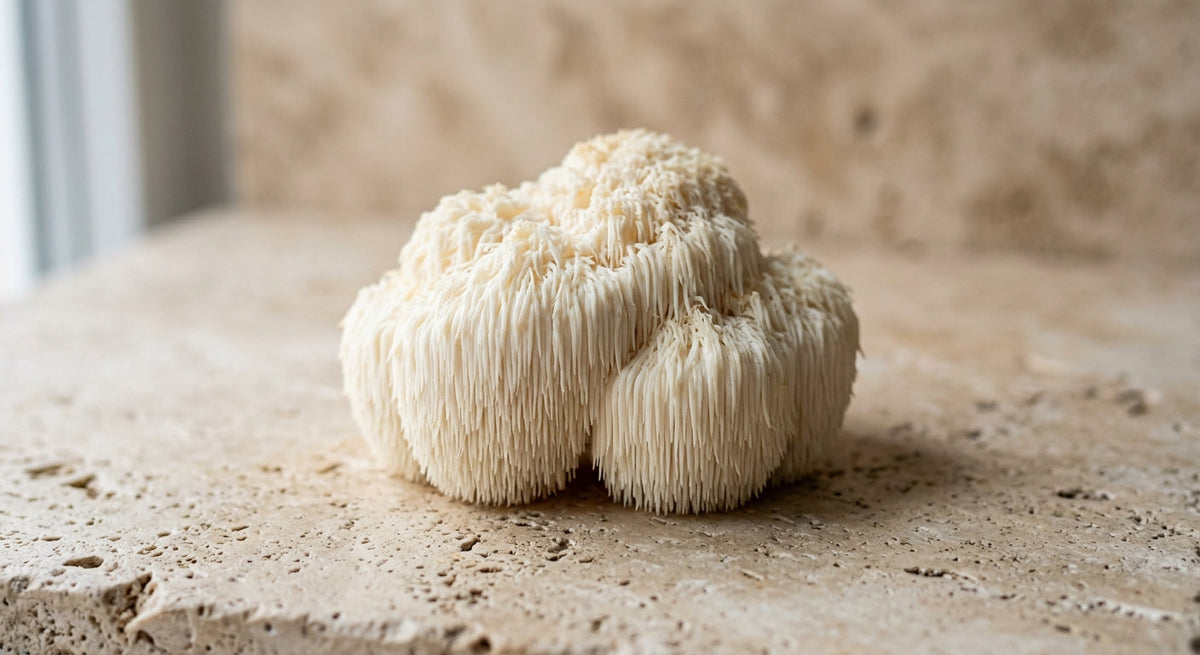

Article: 10 reasons to include Lion's Mane in your diet
10 reasons to include Lion's Mane in your diet
Lion's Mane (Hericium erinaceus) is a unique mushroom that has attracted wide scientific interest in recent decades thanks to its promising health benefits. It is rich in bioactive compounds that may have a positive effect on brain function, strengthen the immune system and improve other bodily processes. Based on scientific research and clinical evidence, below you will find the 10 main benefits that Lion's Mane can offer when you include it in your daily diet.
1. Promotes the growth and regeneration of brain neurons
Hericenones and erinacines – the active compounds found in Lion's Mane – stimulate the synthesis of nerve growth factor (NGF), which is needed for nerve cell repair and neuron growth. Research suggests that these compounds may improve cognitive function and reduce the risk of Alzheimer's disease.
2. Helps combat depression and anxiety
Studies have shown that regular use of Lion's Mane can significantly reduce symptoms of anxiety and depression. This is thought to be linked to the production of neurotrophic factor (BDNF) in the brain. BDNF is a protein that promotes the formation and renewal of neurons and also improves synaptic plasticity.
3. Supports cognitive function and memory
Lion's Mane helps improve memory and learning ability. Studies show that the mushroom's bioactive compounds protect the brain against oxidative stress and improve synaptic plasticity, which is important for maintaining memory and cognitive processes.
4. Strengthens the immune system
The hericenones and beta-glucans found in Lion's Mane activate immune cells, which help the body fight infections and improve its ability to fight disease.
5. Reduces inflammation
Lion's Mane contains powerful antioxidants and anti-inflammatory compounds, such as polyphenols and flavonoids, which help reduce chronic inflammation and lower the risk of heart disease, arthritis and other chronic conditions.
6. Improves digestive function
Studies show that Lion's Mane helps restore the lining of the gastrointestinal tract, reducing damage to the stomach lining. Its active compounds help fight intestinal inflammation and improve overall digestive health.
7. Lowers the risk of cardiovascular disease
Lion's Mane has been linked to lower blood cholesterol and triglyceride levels, which helps reduce the risk of heart disease. Studies have proven that Lion's Mane extracts improve fat metabolism and lower "bad" cholesterol.
8. Protects the nervous system
Lion's Mane may help prevent nerve damage caused by diabetes, stroke or other neurodegenerative conditions. Its anti-inflammatory and nerve-regenerating properties may ease peripheral neuropathy (nerve damage that can cause numbness, tingling or pain in the limbs) and promote the repair of damaged nerves.
9. Supports skin health and wound healing
Lion's Mane extracts improve wound healing by stimulating collagen production and skin cell renewal. Research suggests that its anti-inflammatory properties may reduce scar tissue and promote rapid tissue regeneration.
10. Reduces oxidative stress
Lion's Mane is rich in antioxidants, such as hericenones and erinacines, which help the body fight free-radical damage that can lead to premature ageing and chronic diseases, including cancer.
Read also:
- Lion's Mane and cognitive function: does it really work?
- How to choose a quality Lion's Mane product, step by step
References:
- Neurotrophic and Neuroprotective Effects of Hericium erinaceus
- Reduction of depression and anxiety by 4 weeks Hericium erinaceus intake
- Hericium erinaceus, a medicinal fungus with a centuries-old history: Evidence in gastrointestinal diseases
- The Neuroprotective Properties of Hericium erinaceus in Glutamate-Damaged Differentiated PC12 Cells and an Alzheimer's Disease Mouse Model
- Therapeutic Potential of Hericium erinaceus for Depressive Disorder